Sports Injury Treatment: How to Recover From Sprains, ACL & Meniscus Tears, and Shoulder Injuries
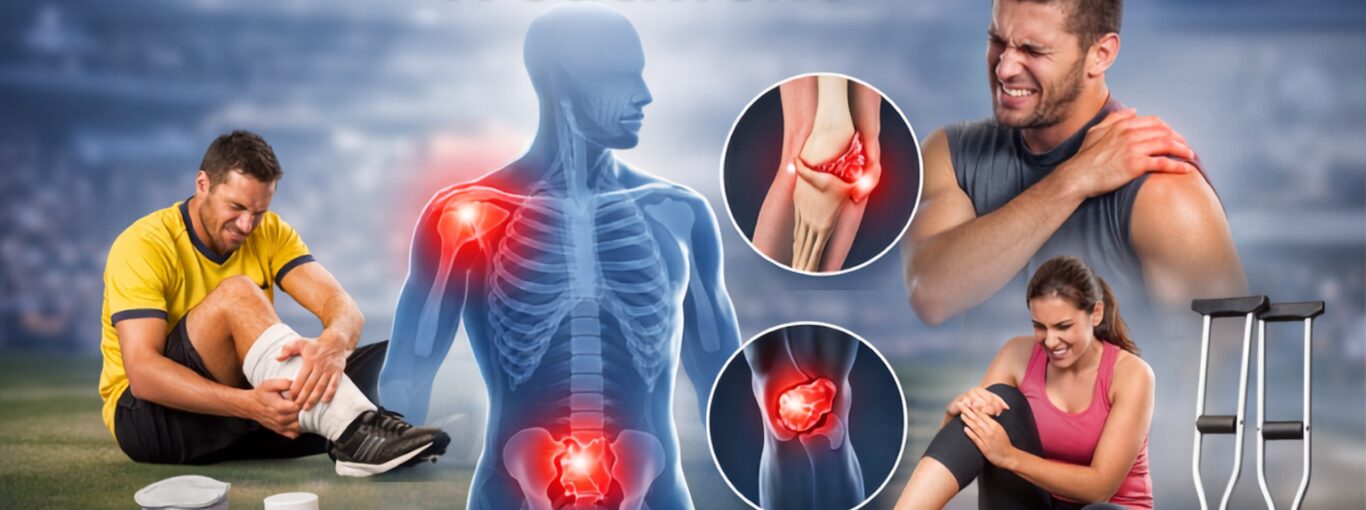
Effective recovery from sports injuries requires immediate implementation of the RICE protocol (Rest, Ice, Compression, Elevation) within the first 24-48 hours. Whether you're dealing with sprains, ACL tears, meniscus damage, or shoulder injuries, early professional assessment is essential for determining severity and establishing an appropriate treatment plan. You'll need to follow a structured rehabilitation program that combines manual therapy, targeted exercises, and progressive strength training. As you advance through recovery phases, sport-specific drills and functional testing will guide your safe return to activity. Understanding the complete rehabilitation process will greatly enhance your recovery outcomes.
Common Sports Injuries: Sprains, Knee Injuries, and Shoulder Conditions Explained
Sports injuries typically fall into distinct categories that athletes and recreational participants encounter with varying frequency. When seeking Sports Injury treatment in Vaughan, you’ll find that sprains represent one of the most common conditions, occurring when ligaments stretch or tear due to sudden movements or impacts. These injuries often affect ankles, wrists, and knees, requiring immediate attention to prevent chronic instability.
Knee injuries, particularly ACL (anterior cruciate ligament) and meniscus tears, present complex challenges that demand specialized physiotherapy for sports injuries. The ACL can tear during rapid direction changes or improper landings, while meniscus damage often results from rotational stress on the knee joint. Both conditions require careful evaluation and structured rehabilitation protocols.
Shoulder conditions frequently manifest as rotator cuff injuries, impingement syndrome, or labral tears. These injuries can develop from repetitive overhead movements or acute trauma, affecting your ability to perform daily activities and athletic movements. Understanding these distinct injury patterns helps medical professionals develop targeted treatment strategies, incorporating appropriate manual therapy, exercise progression, and movement retraining to restore peak function and prevent future complications.
The Importance of Early Treatment and Acute Injury Care
After identifying these common athletic injuries, the timing of treatment becomes a key factor in recovery outcomes. When you experience a sports injury, seeking immediate care can greatly impact your healing timeline and prevent long-term complications. The initial 24-48 hours are vital, as proper acute care helps minimize inflammation, reduce pain, and set the foundation for effective recovery.
At this stage, you’ll need to follow the RICE protocol (Rest, Ice, Compression, Elevation) while avoiding activities that could aggravate the injury. Professional assessment at a sports injury clinic Vaughan or similar facility will determine the severity of your condition and establish an appropriate treatment plan. Early intervention through injury recovery physiotherapy can prevent the development of compensatory movement patterns that often lead to secondary injuries.
Your acute care phase should focus on protecting the injured area while maintaining mobility in unaffected joints. A qualified physiotherapist will guide you through specific techniques to manage pain and swelling while preparing your body for the rehabilitation phase. This structured approach guarantees that you’re taking the right steps toward ideal recovery from the very beginning.
How Physiotherapy Restores Strength, Mobility, and Function
Physical rehabilitation through physiotherapy employs a systematic approach to restore your body’s ideal function. Whether you’re recovering from ACL surgery in North York or seeking treatment for a shoulder injury, physiotherapy combines multiple evidence-based techniques to rebuild your strength and mobility systematically.
Your physiotherapist will implement manual therapy techniques to improve joint mobility and reduce tissue restrictions. This hands-on approach is complemented by targeted exercise therapy that progressively challenges your muscles and joints. During ACL rehab, you’ll work through specific movement patterns that retrain your knee’s stability and proprioception. For shoulder injury physiotherapy, treatment focuses on restoring rotator cuff strength and scapular control.
As you progress, your rehabilitation program will incorporate more dynamic exercises that mirror your daily activities and sport-specific movements. Your physiotherapist will monitor your form, track your progress, and adjust the intensity of exercises to guarantee peak recovery. This methodical progression helps prevent compensation patterns that could lead to re-injury. Through consistent practice and proper guidance, you’ll gradually rebuild the strength, stability, and neuromuscular control needed to return to your previous level of activity safely.
Structured Rehabilitation for Safe Return to Activity and Injury Prevention
Building upon your progress in physiotherapy, a structured return-to-activity protocol helps you avoid setbacks and maintain long-term joint health. Your rehabilitation program will follow evidence-based guidelines that gradually increase activity intensity while monitoring your joint’s response to new challenges.
For conditions like meniscus tear treatment physiotherapy, you’ll progress through specific phases. Initially, you’ll focus on basic movement patterns and stability exercises. As your strength improves, you’ll advance to sport-specific drills that mirror your intended activities. During rehab for knee injuries, you’ll need to demonstrate proper form and adequate strength before progressing to more demanding exercises.
Your physiotherapist will assess key benchmarks, including range of motion, strength symmetry between limbs, and functional testing scores. You’ll learn proper biomechanics and movement strategies to prevent compensation patterns that could lead to re-injury. The final phase includes power development, agility training, and sport-specific conditioning. Your return to full activity will be cleared only when you’ve achieved the required strength, stability, and movement quality benchmarks, ensuring you’re fully prepared for the demands of your sport or daily activities.
Conclusion: Expert Sports Injury Treatment in Vaughan for Full Recovery
Successful rehabilitation from sports injuries demands expert guidance and thorough treatment. When you’re dealing with conditions like sprains, ACL tears, or shoulder injuries, it’s crucial to follow a holistic recovery protocol that addresses both immediate symptoms and long-term healing.
At specialized facilities offering physiotherapy near me, Vaughan, you’ll find evidence-based treatments that integrate multiple therapeutic approaches. These clinics understand that each sports injury requires individualized care, from the initial assessment through to your return to athletic activities. You’ll work with qualified professionals who’ll guide you through structured rehabilitation phases, including pain management, manual therapy, targeted exercises, and sport-specific training.
The key to achieving exceptional recovery lies in following your treatment plan consistently while maintaining open communication with your healthcare providers. By choosing a reputable clinic that specializes in sports injury rehabilitation, you’re giving yourself the best chance at a full recovery. Remember that proper treatment now doesn’t just heal your current injury – it helps prevent future complications and reduces the risk of re-injury when you return to your sport.